 Photography · Field Notes
Shooting the Tunnel: Notes from the AR30MM Archive
What a half-lit tunnel under the West Side taught me about patience, trespass etiquette, and why the best frame is usually the one you almost didn't take.
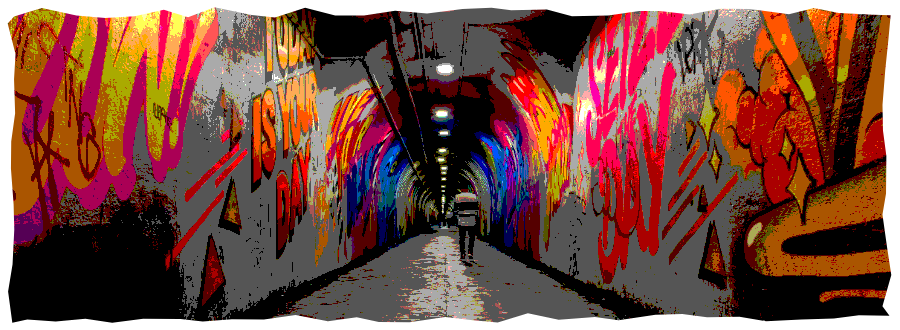
There is a kind of light that only exists underground. It falls through ventilation grates in hard vertical slabs, and for about forty minutes a day it turns a service tunnel into a cathedral. I spent most of a spring chasing those forty minutes.
The tunnel runs beneath the old freight line, and the walls carry thirty years of paint in geological layers.11 The deepest layers date to the late '80s — sidenotes float in the margin on wide screens, tap the number on smaller ones. You don't photograph graffiti so much as photograph time.
Every wall down here is a conversation nobody was supposed to overhear.
№ 1 — The forty-minute window
Metering is hopeless. The dynamic range between a grate-lit slab and the shadow behind it is beyond any sensor, so you choose what to lose. I chose the shadows, every time, and pushed the film two stops in development.
№ 2 — A note on process
For the archive's contact sheets I batch-process scans with a small script — the kind of block a technical article needs to display properly:
for neg in roll.negatives:
    scan = neg.scan(dpi=3200)
    scan.curve("pushed-2stop.acv")
    archive.add(scan, roll=14, frame=neg.index)
The tunnel is quieter now. Most of the pieces I shot are gone, buffed or painted over, which is the point: the photographs are the only place that wall still exists. That's the whole job, if you're honest about it — you're not making pictures, you're keeping receipts.